5 Workplace Design Trends for Boosting Employee Engagement
March 2020

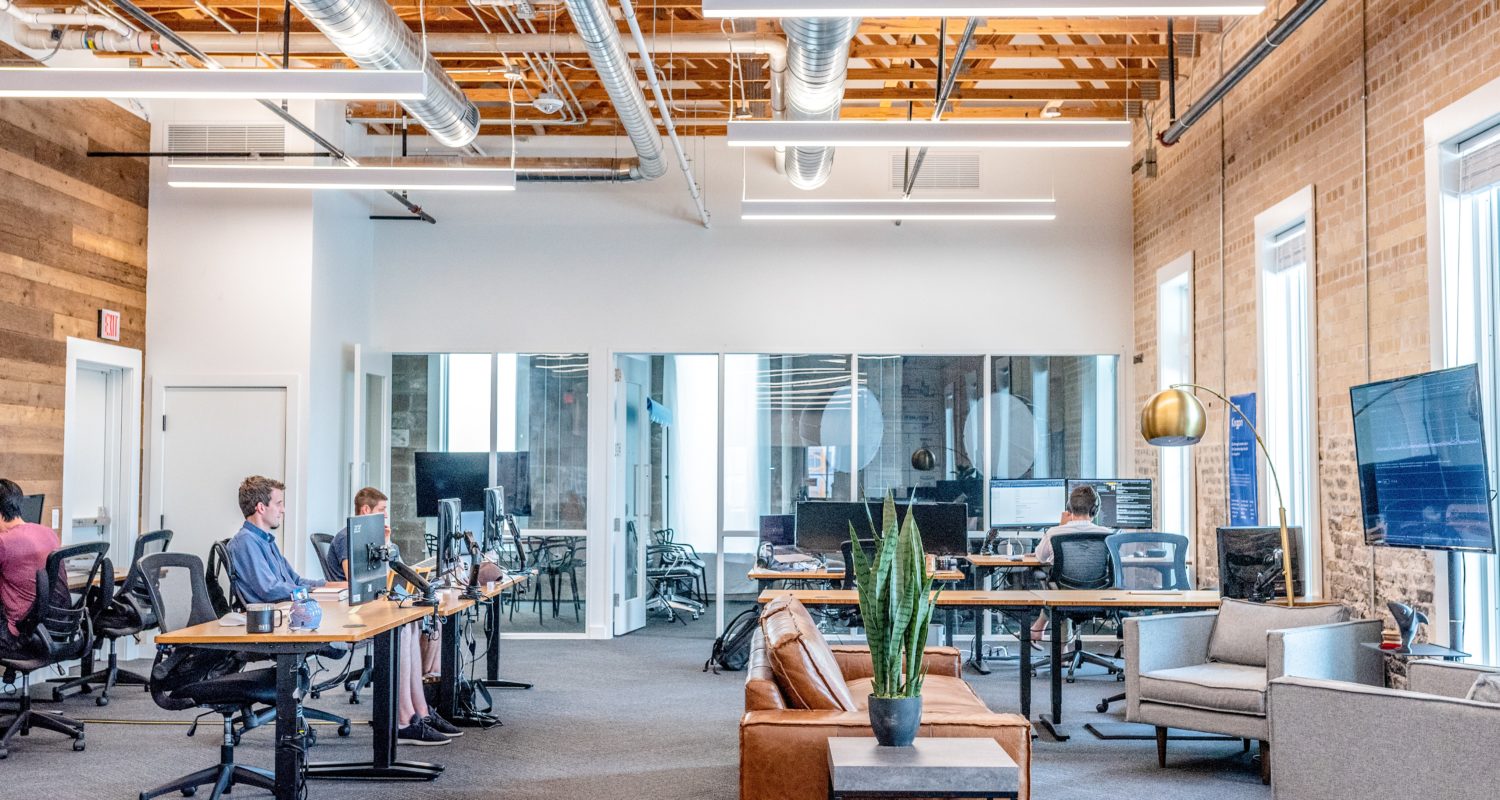
In today’s fast-moving business environment, the workplace plays an increasingly important role in how a business operates. A well-designed office can support productivity, improve employee wellbeing, encourage collaboration and create a positive impression of your business.
Whether you are considering an office refurbishment, a complete office fit-out or simply looking to make better use of your existing space, thoughtful office design can transform the way your workplace looks, feels and functions.
Office refurbishment is the process of improving and updating an existing workplace to make it more functional, comfortable and visually appealing. It can range from refreshing the interior and replacing furniture to a complete transformation of the office layout and infrastructure.
A refurbishment provides an opportunity to look at how your existing space is being used and identify where improvements can be made. This might include reconfiguring the layout, introducing new meeting or breakout areas, upgrading lighting and flooring, improving acoustics or replacing outdated furniture and equipment.
One of the key advantages of refurbishment is that you can transform your existing workplace without the disruption and expense of relocating. By making better use of the space you already have, you can create a fresh, modern environment that better supports your business and your employees.
An office fit-out transforms a building or existing space into a fully functioning workplace. Depending on the condition of the building and the requirements of the project, this can involve everything from partitions, ceilings and flooring to lighting, electrical installations, mechanical services, kitchens, meeting rooms and office furniture.
Fit-outs are commonly described using categories such as Shell & Core, Cat A and Cat B. Shell & Core generally provides the basic structure and essential building services, while a Cat A fit-out takes the space further by providing elements such as ceilings, lighting, mechanical and electrical services and basic finishes.
A Cat B fit-out is where the space is customised for the occupier. This can include partitioning, bespoke finishes, workstations, furniture, meeting rooms, kitchens, branding and other elements that create a complete working environment tailored to the individual business.
Whatever the scale of your project, careful planning is essential. The finished office should not only look impressive but also provide a practical and efficient environment that supports the way your business operates.
Office design is about much more than choosing colours and furniture. It is about understanding how your business works and creating a space that supports your people, your brand and your future plans.
Every business is different, which is why there is no one-size-fits-all approach to office design. Your workplace should reflect your individual requirements, whether that means providing collaborative spaces for teams, quiet areas for focused work, welcoming spaces for clients or flexible areas that can adapt as your business grows.
Some of the key elements to consider include:
Space Planning
Effective space planning ensures that every part of your office is used to its full potential. The layout should provide an appropriate balance between workstations, meeting rooms, collaboration areas, storage and breakout spaces while allowing people to move easily around the workplace.
Lighting and Acoustics
Lighting can have a significant impact on the atmosphere and usability of an office. Where possible, natural light should be maximised, complemented by carefully considered artificial lighting.
Acoustics are equally important, particularly in open-plan environments. The use of appropriate materials, finishes and acoustic solutions can help control noise and create a more comfortable working environment.
Ergonomics and Furniture
Employees spend a significant amount of time at their desks, making comfortable and supportive furniture an important consideration. Ergonomic seating, adjustable desks and well-planned workstation layouts can help create a more comfortable and productive workplace.
Brand Identity
Your office is an extension of your business and can play an important role in communicating your brand. Colours, materials, finishes, furniture and signage can all be incorporated into the design to create a workplace that reflects your company’s identity and values.
Investing in your workplace can deliver significant benefits for both your business and your employees.
Improved Productivity
A well-planned office can make it easier for employees to work efficiently. Providing the right combination of workstations, meeting areas, collaboration spaces and quiet zones can support different working styles and improve the overall flow of the workplace.
Enhanced Employee Wellbeing
A comfortable, attractive and well-designed environment can have a positive effect on employee satisfaction and wellbeing. Good lighting, acoustics, ergonomics and access to appropriate breakout areas can all contribute to a better working experience.
Better Use of Space
Many businesses have areas within their offices that are underused or poorly configured. Effective space planning can identify these opportunities and transform them into useful, productive areas without the need for additional premises.
A Stronger Brand Image
Your office creates an impression of your business. A contemporary, professional and well-maintained workplace can impress clients and visitors while demonstrating that you take pride in your business and invest in your people.
Attracting and Retaining Talent
The workplace has become an increasingly important consideration for employees. A thoughtfully designed office can create a more enjoyable environment, strengthen company culture and help businesses attract and retain talented people.
Whether you are planning a complete office fit-out, refurbishing your existing premises or simply looking to improve the way your current space works, the starting point should always be understanding your business and your people.
A successful office design brings together functionality, comfort and aesthetics to create a workplace that supports the way you work today while allowing room for the future.
With careful planning and professional expertise, your office can become much more than a place to work. It can be an environment that inspires your employees, impresses your clients and supports the long-term success of your business.
